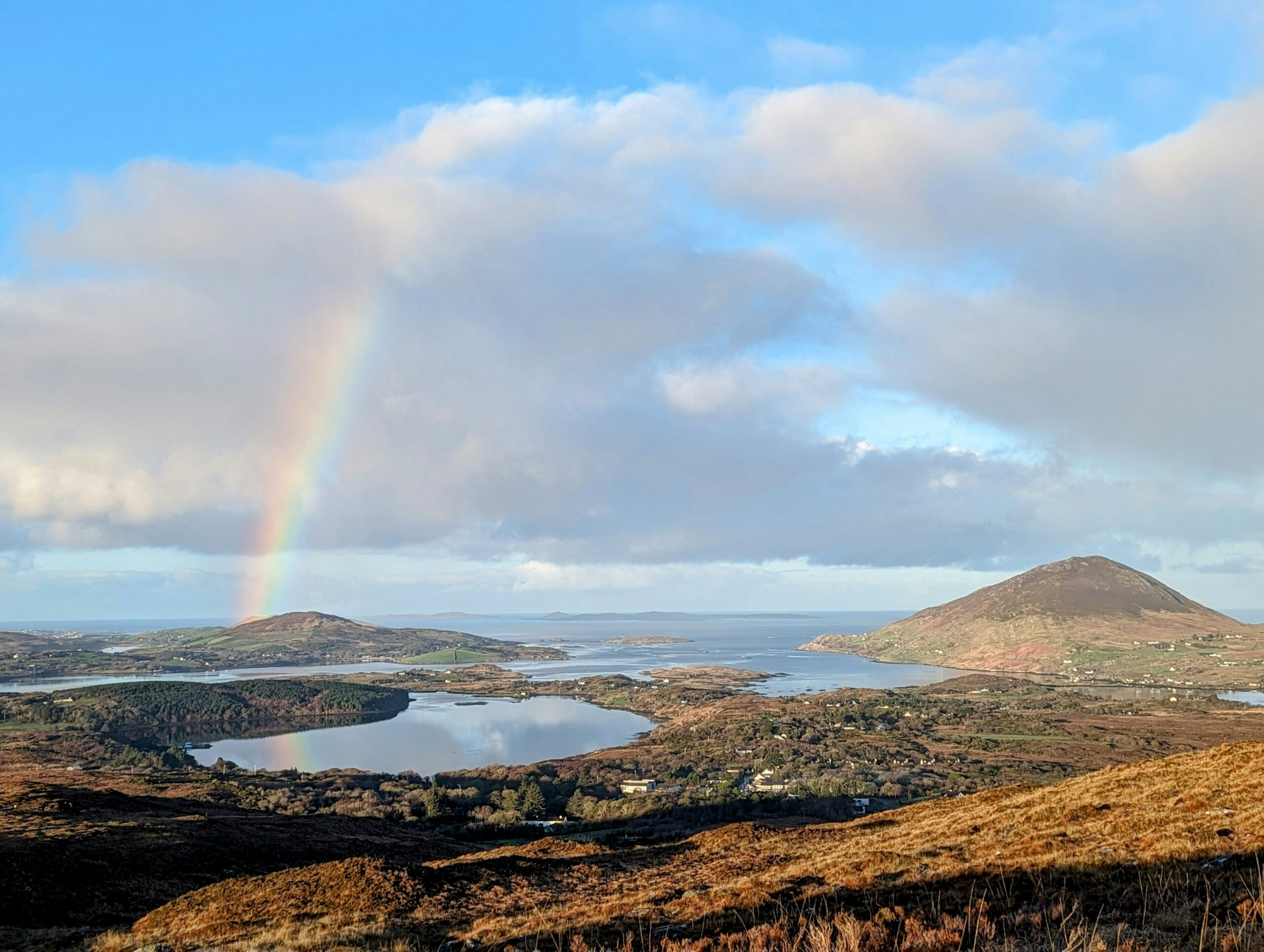
1. The Geography: East vs. West Galway
You cannot treat Galway as one place. It is historically split into two distinct “kingdoms,” and this affects your research.
- East Galway: (Towns like Tuam, Ballinasloe, Loughrea). This area is flatter, more agricultural, and English was spoken here much earlier. Records are often easier to read.
- West Galway (Connemara): (Towns like Clifden, Spiddal, Oughterard). This is rugged coastal land. Irish (Gaelic) was the dominant language well into the 1900s.
- Pro Tip: If your ancestor was from Connemara, their name might be recorded as Seán in one record and John in another. Always search for both variations.
2. The “Big Three” Record Sets
Before you pay for expensive subscriptions, check these three free government databases. They cover 90% of what you need.
- Civil Records (1864 – Present):
- Where to find them: IrishGenealogy.ie
- What they contain: Birth, Marriage, and Death certificates. These are the official state records.
- Catholic Parish Records (Pre-1864):
- Where to find them: NLI.ie (National Library)
- Note: These are handwritten and can be messy. You need to know the specific parish (e.g., “Tuam” or “Killererin”) to find anything.
- The Census (1901 & 1911):
- Where to find them: NationalArchives.ie
- Why they matter: These are the only complete censuses that survived the fires. They tell you exactly who was living in the house, their age, and if they could speak Irish.
3. The “Tribes of Galway”
If your last name is Lynch, Blake, Bodkin, Browne, or Martin, you might be connected to the “14 Tribes of Galway.” These were the merchant families who ruled Galway City for centuries. They have extensive written histories that go back much further than the average tenant farmer.
4. Where to Get Local Help
Sometimes, the internet isn’t enough. If you are planning a trip to Galway, these are the places to visit:
- Galway Family History Society West: Located in Galway City, they specialize in the Connemara region.
- East Galway Family History Society: Based in Woodford, they hold distinct records for the eastern side of the county.
- The County Library: The local studies section in Island House (Galway City) is a goldmine for old newspapers and maps.
-
How to Find Ancestors in Old Irish Newspapers
The Gossip Network When the church records burn and the government records fail, where do you look? You look at the…
-
How to Use the Registry of Deeds: Breaking the 1800 Barrier
The Time Machine Most researchers hit a brick wall in 1800. They accept the common myth that “all the records burned”…
-
How to Find Irish Estate Papers: The Landlord’s Private Records
The Power Dynamic You cannot find your ancestors if you don’t understand who owned them. In the 19th century, the Landlord…
-
How to Find Your Irish Ancestor’s Hometown: The Migration Guide
The Long Goodbye For millions of Irish people, the defining moment of their lives was the day they left. But for…
-
The Court of Survival: Reconstructing the “Invisible” Galway Tenant (1845–1860)
Handwritten 19th-century Petty Sessions Order Book The Court of Survival: Reconstructing the “Invisible” Galway Tenant (1845–1860) The Roundstone Petty Sessions courtroom…
-
The Clifden Workhouse: Reconstructing the Lost Admission Registers through the GPL3 Minutes
A heavy 19th-century Clifden Board of Guardians minute book (GPL3 series) showing the withdrawal of outdoor relief, with a workhouse key…