For Irish genealogy enthusiasts, April 2026 marks one of the most significant dates in family history research since the launch of the 1911 census online. The upcoming release of the 1926 Census represents a treasure trove of genealogical data that will finally bridge a critical gap in Irish records. Here’s everything you need to know as we count down to this historic moment.
The Official Status: Confirmed Release Date
The wait is almost over. The National Archives of Ireland has officially confirmed that the 1926 Census will be released online on April 18, 2026 — exactly 100 years to the day after the census was taken. This date strictly adheres to Ireland’s 100-year rule for census release, which was enshrined in the Statistics Act 1993.
The government has been actively preparing for this milestone. In November 2022, Minister Catherine Martin announced €5 million in funding for the digitisation project, and by October 2025, Minister Patrick O’Donovan officially launched a comprehensive public programme to celebrate the centenary release. The National Archives has confirmed that all 734,462 pages have been digitised at 400 DPI resolution and transcribed using advanced OCR technology, creating a fully searchable online database covering over 700,000 individual household returns representing 2,971,992 people. The entire collection will be made freely available and fully searchable at no cost.
The ‘Missing’ Years: Why This Census is the Holy Grail
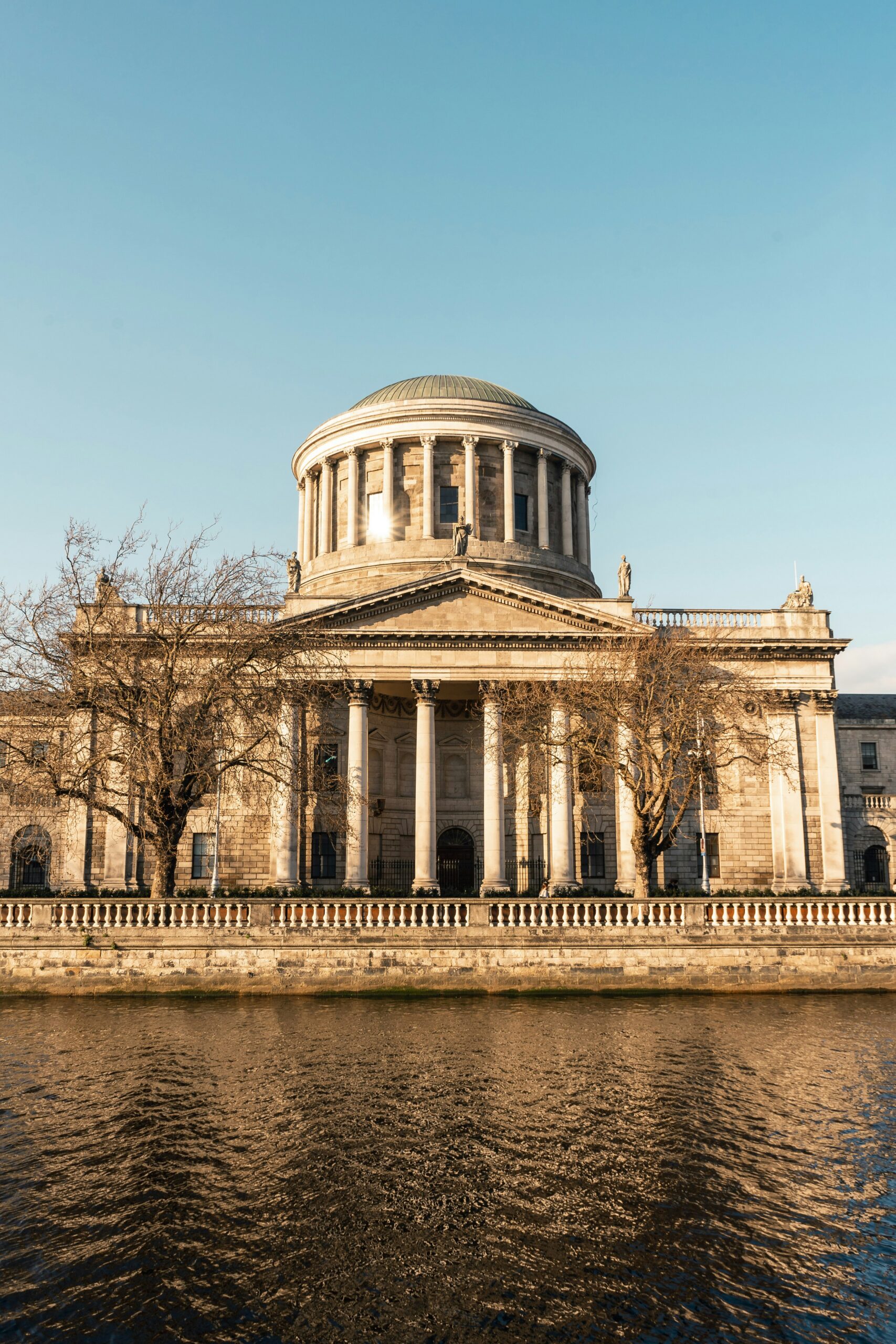
The 1926 Census holds extraordinary significance for Irish genealogists because it represents the first population snapshot in 15 years and helps bridge one of the most devastating gaps in Irish record-keeping. The tragedy began on June 30, 1922, when the Public Record Office of Ireland at the Four Courts in Dublin was destroyed by fire during the Irish Civil War. This catastrophic event obliterated the Irish census returns for 1821, 1831, 1841, and 1851 — apart from a few fragments, including parts of Cavan for 1821 and portions of Derry for 1831.
The situation worsened when census returns for 1861-1891 were mistakenly destroyed by government order prior to 1922. This left only the 1901 and 1911 censuses as complete surviving records from the pre-independence era. The disruption of the War of Independence and Civil War meant no census was conducted in 1921, creating a 15-year void between 1911 and 1926. The 1926 Census is therefore the only comprehensive record showing who survived the tumultuous period of revolution, civil war, partition, and the establishment of the Irish Free State.
The New Questions: What’s Different from 1911?
The 1926 Census introduced several crucial new questions that distinguish it from the 1911 Census and make it particularly valuable for social and employment history research. The most significant additions include:
- Employer information: The form asked whether the person was an “Employer” and, if employed, required the name of their employer and the employer’s business. This detail provides unprecedented insight into the nature of work and employment relationships in 1920s Ireland.
- Employment status categories: Respondents had to indicate whether they were working on their own account, employing paid persons, or were employees — distinctions not captured in 1911.
- Irish language questions: Enhanced questions about Irish language ability were included, reflecting the Free State’s cultural priorities.
These additions mean the 1926 Census captures the Irish Free State at a unique moment of nation-building, providing details about employers, workplaces, and economic structures that were never recorded in earlier censuses.
What to Do While We Wait: Alternative 1920s Records
While counting down to April 2026, genealogists can explore three valuable alternative record sets from the 1920s era to begin building their family stories:
Old Age Pension Records (1908 onwards)
These freely searchable records on the National Archives of Ireland website are genealogical gold. When the Old Age Pension Act was introduced in 1909, applicants had to prove their age by providing their parents’ names and residence in either 1841 or 1851. Within the first three months, 261,668 applications were received representing 98% of eligible people in Ireland. Even when the Public Record Office couldn’t locate the original census records to verify claims, the application forms still preserve what individuals reported about their family members and 1840s-1850s addresses — effectively creating substitute census data.
Irish Army Census of 1922
Held at the Military Archives and available through Findmypast, this census of the National Army was taken on November 12-13, 1922, when the force was at its largest during the Civil War. The records include regimental numbers, ranks, home addresses, dates and places of attestation, marital status, religion, and crucially, next of kin names and addresses. This resource is particularly valuable because it was created just months after the Four Courts fire destroyed so many genealogical records.
Valuation Office Books and Cancelled Books
The Valuation Office manuscript records — including field books, house books, tenure books, and rent books — provide detailed property and occupancy information from the mid-1820s through the 1920s. The Cancelled Books, which track changes to property holdings after Griffith’s Valuation, are particularly useful for tracing heads of households through the 1920s, though these are not yet fully digitized. These land records remain one of the most useful census substitutes available for Irish research.
The release of the 1926 Census on April 18, 2026, will mark a watershed moment for Irish genealogy. After decades of working around the ‘missing years,’ researchers will finally have access to a comprehensive snapshot of Irish life in the critical post-independence period. Until then, the alternative records above offer valuable opportunities to piece together your family’s story during this transformative era in Irish history.